
From Board to Plate: How a Disposable Paper Plate Is Actually Made
Something odd happens when you pour boiling water into a cheap paper plate. The smell arrives a second or two before the leak does. What you are smelling is sizing agent and the tail end of recycled fibre waking up, and it tells you more about where that plate came from than the grammage printed on the carton ever will.
It starts as board, and the number on the box lies a little
Paper plates are pressed from paperboard somewhere between 180 and 350 gsm, though caliper matters as much as weight. A 300 gsm sheet built from mixed waste fibre can feel softer in the hand than a 220 gsm virgin kraft sheet, because strength lives in fibre length, not in the tonnage. Mill sizing decides how fast liquid creeps sideways through the sheet, so two boards of identical weight can behave nothing alike once a curry lands on them.
Two ways to get a circle, and you can feel which one you got
Most Indian units cut a circular blank and press it between heated matched dies, driving a flat disc into rim and base in a single stroke. Others thermoform from a roll against a mould under vacuum. Die-pressed plates tend to have sharper rims, thicker corners and the occasional faint crease. Formed plates look smoother and hold tighter tolerances, which is why they stack more predictably in a carton. The rim itself is a structural ring, not decoration. It keeps the base flat while you carry it. A shallow rim on cheap board will buckle the moment you lift the plate off a table. 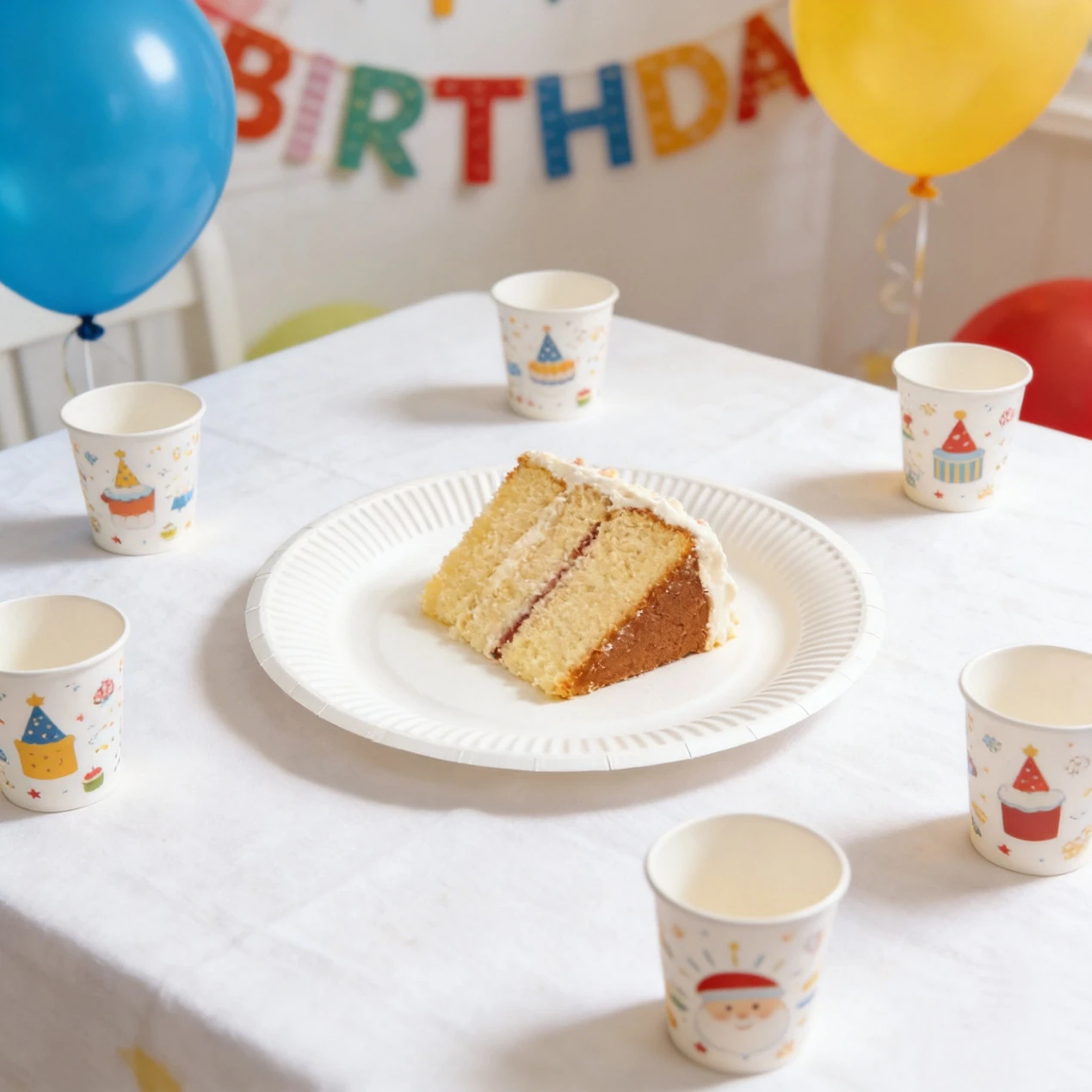
The coating does the real work, and water is the easy half
Nearly every plate sold for wet food carries a coating. Polyethylene at 15 to 25 gsm extruded onto one side is the standard answer. Water-based acrylics sit at the cheaper end and soften when hot. PLA costs more and needs sensible storage. Here is the part that trips people up: repelling water and repelling oil are separate jobs. Oil has much lower surface energy, so it will wet a surface that shrugs water off completely. A plate can hold a glass of water all afternoon and still stain straight through under dal.
Where they fail
Base sag is a span problem. Deflection climbs roughly with the fourth power of diameter and drops with the cube of thickness, so widening a plate from eight to ten inches demands far more board than the two inches suggest. Edge wicking happens at the cut edge, where the coating stops and bare fibre sits exposed. Rim cracking comes from folding coated stock too tight while it is still cold. All three show up inside a thirty-minute hot water test, which is why labs bother running it.
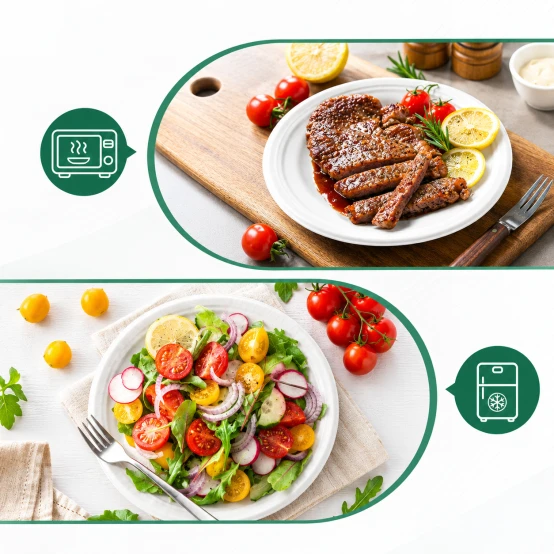
The rules are dull but they do exist
In India, food-contact paper sits under FSSAI licensing and the 2018 packaging regulations, with conformity certificates coming from NABL-accredited labs. Inks follow IS 15495, and the printed face cannot touch food, which is why sensible branding lives on the outside of the rim. Compostability wording deserves the same suspicion. PE-coated board does not compost. PLA needs industrial conditions to break down. Moulded bagasse is a different product made by a different process entirely, and grouping the three together on a shelf is a marketing choice rather than a technical one.
Buying a paper plate well comes down to knowing which corner of the cost, rigidity and barrier triangle you are willing to give up, and asking for the test data before anyone quotes you a price.