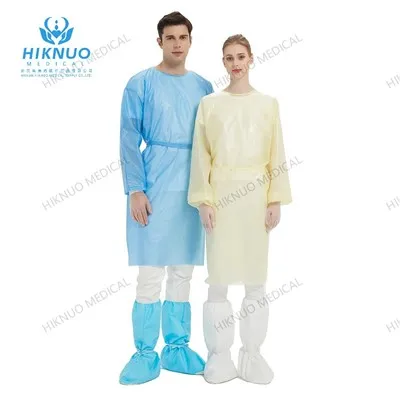

We believe that the success of building long-term relationships with our customers depends not only on providing the right product at the right price, but also on continuously improving reliability. Our vision is to be a global healthcare company that is customer-focused and committed to excellence.
-
![Disposable PE Apron]() Disposable PE Apron
Disposable PE ApronPE apron is an outer protective garment which covers primarily the front of the body. ...

Why choose us
Advanced Production Equipment
Our manufacturing factory is equipped with advanced heat sealing machines, sewing machines, cutting machines, cast film production lines, laminating machines, mask machines and other equipment. They have passed international certifications (ISO, CE, FDA, etc.) and are frequently subject to internal and third-party inspections.
High Quality Standards
Our products use high-quality materials and manufacturing processes to provide you with protection you can trust. We have established a strict quality control system in accordance with ISO 13485 and FDA related standards to ensure that all our products meet and exceed high quality standards.
Variety of Products
Our products include non-woven protective equipment, disposable masks, disposable isolation gowns, disposable hats, disposable shoe covers, disposable boot covers, etc. They are widely used in medical, dental, industrial, laboratory, health and beauty markets.
Professional Service
Our company is committed to building customer partnerships through strong relationships, providing high value, quality products and exceptional service through continuous process improvement. In addition, our products have been sold to more than 40 countries around the world and enjoy a good reputation in domestic and foreign markets.

Disposable apron is one of the important personal protective equipment (PPE), which is used to protect against dust, fluid and other contaminants from the front. It is one-piece design and with loose neck strap/ties and waist ties to fasten and adjust the fitting. Disposable aprons are often made from PE material or nonwoven material, the light weight ones usually used for low-risk ordinary protection. Meanwhile, the heavy duty ones are more suitable to help provide effective protection and infection control.
Benefits of Disposable Aprons
Prevents Contamination
Disposable aprons protect the wearer’s clothing or skin and the surrounding environment, preventing the spread of contaminants. They can help to prevent cross-contamination of foods or other products, as well as the spread of germs or infectious materials in healthcare settings. In addition, disposable aprons can be easily cleaned and sanitized, further reducing the risk of cross-contamination. They are also available in different colors, which can help to identify workers in different areas or with different responsibilities, minimizing the risk of confusion or mix-ups.
Maintains Hygiene Standards
Wearing disposable aprons can help businesses in the food industry meet health and safety regulations. Health and safety regulations exist to protect workers and consumers from potential harm, and require businesses to take specific measures to ensure a safe and hygienic working environment. In many cases, health and safety regulations require the use of personal protective clothing, including disposable aprons, to prevent contamination and reduce the risk of injury or infection. Failure to comply with these regulations can result in fines, legal action, or even the closure of the business.
Reduces Risks of Accidents
Some jobs in the food industry involve handling hot liquids, sharp utensils, or heavy machinery, which can lead to accidents if proper safety measures are not taken. A disposable apron provides an additional layer of protection for employees, preventing hot liquids or chemicals from coming into contact with the skin or clothing, and reducing the risk of cuts or puncture wounds from sharp objects.
Improves Efficiency
The use of disposable aprons helps to keep workers’ clothing clean and dry, which can reduce the time and effort needed to change clothes or clean up spills. Workers can simply discard used aprons after use, which eliminates the need for time-consuming cleaning or washing.And they are easy to use and can save time, you don’t need to read the manual before use.
Easy Disposal
Another benefit of disposable aprons is that they are relatively straightforward to throw away. Firstly, It is advised that when you wish to dispose of the apron, you wear the necessary safety gloves in order to prevent harmful substances transferring to your clothes or skin. Next, you need to break the neck and waist straps and then roll the apron downwards.
Different Colors Available
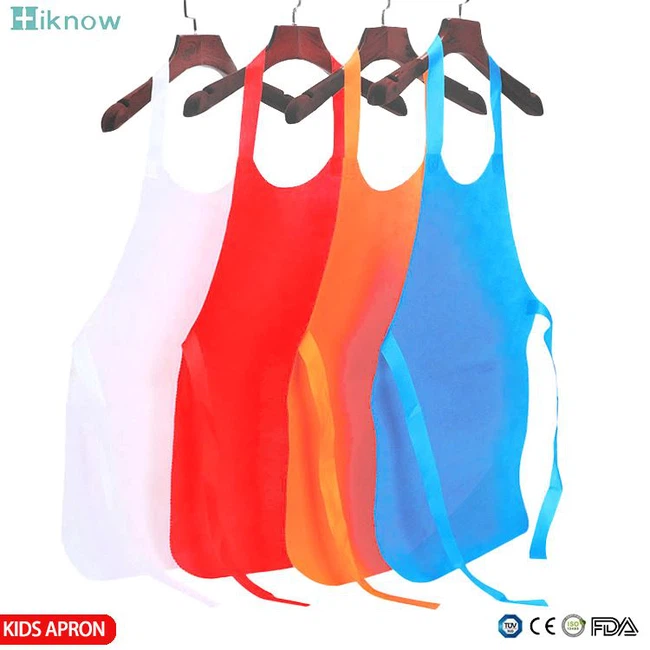
A not so common benefit of disposable aprons is that they can be ordered and manufactured to match the aesthetics of your desired setting or to fit in with the colors of your companies’ branding. In addition to this, you can adhere to any cross-contamination systems you have put into place, which is especially useful in the healthcare and catering industry. This will make your life so much easier when distinguishing apron colors for different applications.
Features of Disposable Aprons
Hygienic and Sterile
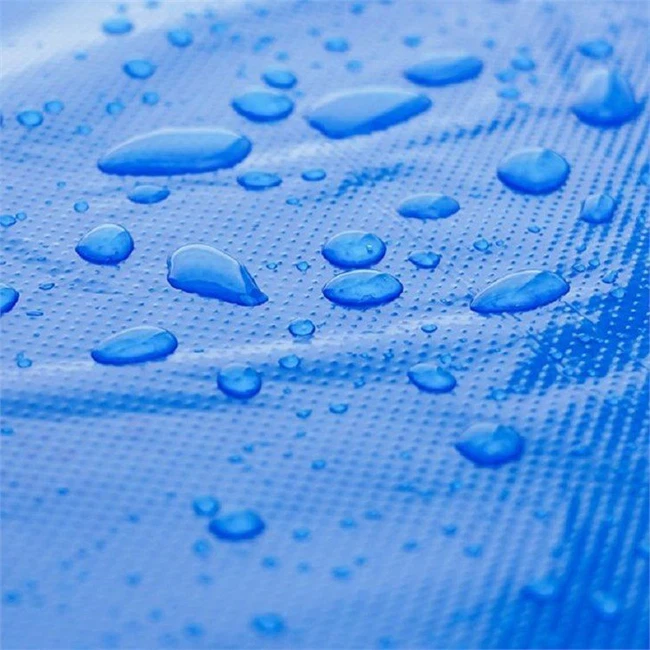
Disposable aprons are certified food and hygiene safe, and they are usually made from non-toxic and odorless materials. They are sterile and widely used. Disposable aprons can be used in restaurants, hotels, home kitchens, beauty salons, hospitals and other places. Moreover, disposable aprons manufacturers can OEM according to customer requirements.
Multi Format Shapes and Sizes
Disposable aprons come in all shapes and sizes, and can even be custom made to your specifications if you so wish! This means that Disposable Apron is not just a product that are on sale because it's popular, but a product that can be tailored to your exact needs and requirements as far as sanitizing and cleaning are concerned.

Light Weight
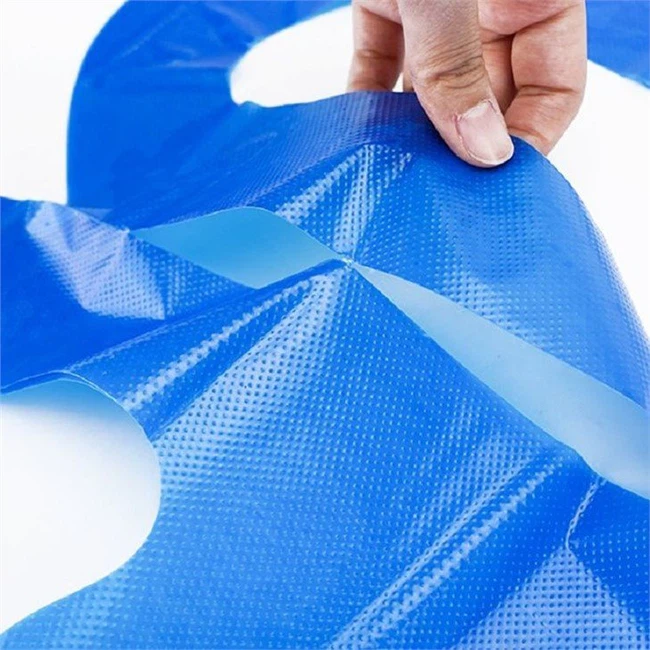
The important thing that makes Disposable Apron such a good product is its light weight. It is actually a very simple idea. What if you could take a light weight apron and cut out all the pockets and then have something that could be worn on your apron, keeping your hands and arms completely free. The light weight aprons which are made of heavy duty polyester are perfect for industries which require long term care and protection of staff. However, if we look at the actual purpose of disposable aprons, they are used in a range of circumstances.
Variety of Uses
Disposable aprons can also be used when washing dishes and can prove to be extremely useful indeed. Disposable aprons which are made of durable cotton are excellent for doing dishes, as they can provide a shield from any splash or spill that may occur when washing dishes and can absorb the liquid which may otherwise leave your clothes looking stained and discoloured. Furthermore, these aprons can also play an important role in multiple occasions such as medical settings, laboratories, industrial production workshops, etc.
Disposable Aprons Specifications
|
Product Name |
Disposable PE Apron |
|
Country of Origin |
China |
|
Size |
XL 70*120cm |
|
Type |
PPE |
|
Stitching method |
Thermocompression |
|
Packing specification |
Case size: 50*32*34cm |
|
Material |
HDPE LDPE |
|
Color |
White、blue |
|
OEM |
Accept OEM |
|
Application |
Safety Protection |
|
Logo |
Customized Logo Accept |
|
Sample |
Sample Offered |
|
Weight |
25g |
our casey

Common Materials Used to Make Disposable Aprons
PE: Polyethylene. It is made of plastic and can come in different colors, thicknesses and sizes. It is widely used for water proof and dust proof.
PP Non Woven: Polypropylene non woven fabric is one of the commonly used materials for aprons, with a weight of 20-120g/cm². It’s soft, breathable, and cost effective.
SMS: It’s a three layer non woven fabric consisting of a top layer of spunbond polypropylene, a middle layer of meltblown polypropylene and a bottom layer of spunbond polypropylene. Its weight can be 25-65g/cm². It’s softer and more durable than PP non woven.
Microporous: It is made of PP non-woven fabric coated with microporous PE film. This material is waterproof and breathable.
PP+PE: The material is 100% waterproof, but not breathable. The non woven side will be soft and comfortable, while PE film will prevent liquid permeation.
SMS+PE: The material is 100% waterproof, and they're soft and comfortable enough to provide a great wearing experience. This material is very resistant to liquid splashes.
Types of Disposable Aprons
There are various types of disposable aprons, each designed for specific uses and environments. Here are the most commonly used types:
Disposable Plastic Aprons: Made from lightweight, waterproof plastic such as polyethylene or polypropylene, these aprons are ideal for environments where the wearer might be exposed to fluids. These are commonly used in medical settings, cleaning tasks, and food processing.
Heavy-Duty Disposable Aprons: These aprons are made from thicker plastic and are designed to provide an extra layer of protection. They’re typically used in environments with a higher risk of exposure to harmful substances or sharp objects.
Disposable Lead Aprons: These are used in medical settings where the wearer might be exposed to radiation, such as in X-ray rooms. The lead lining provides a protective shield against radiation.
Disposable Aprons with Sleeves: These aprons offer added protection by covering the arms. They are often used in healthcare settings during medical procedures that might cause splashing of blood or bodily fluids.
Biodegradable Disposable Aprons: These are a more environmentally-friendly option, made from materials that break down over time, reducing environmental impact.

Disposable Aprons Application
Disposable aprons play an important role in various industries, whether it is protecting employees' clothing or ensuring the hygiene and quality of food. They are a convenient, easy-to-use and affordable solution.
Food Industry
Disposable aprons are often used in restaurants, hotels, cafes and other catering establishments. They are used to protect employees' clothing from food, grease and other stains.
Healthcare Settings
In healthcare settings such as hospitals, clinics and laboratories, disposable aprons are commonly used by medical personnel on a regular basis. These aprons can be used to prevent the spread of disease, control infections, and protect the clothing of medical personnel.
Beauty and Hairdressing
In beauty salons and hairdressers, beauticians and hairstylists also use disposable aprons to avoid contamination of their clothing with chemicals such as hair dye, makeup and hairspray.
Cleanliness and Hygiene
In household cleaning, hotel housekeeping, and industrial cleaning, disposable aprons are an important tool for keeping cleaners' clothes clean. These aprons reduce the adhesion of dirt and stains and ensure that the user's clothing remains tidy.
How to Use Disposable Aprons
Applying an Apron
●Perform hand hygiene.
●Remove an apron from the roll or dispenser. Open it outwards ensuring the inner surface faces the patient to prevent any contamination on its outer surface coming into contact with the patient.
●Place the neck loop over your head.
●Position the apron to cover as much of the front of your body as possible.
●Fix the apron in place by tying the waist straps behind your back.
Removing an Apron
●If disposable gloves are being used, they should be removed first.
●Break the neck loop and waist straps.
●Roll the apron downwards from your chest so the contaminated outer surface is folded inwards. Avoid touching the outer surface of the apron with your hands.
●Dispose of the apron in a hazardous waste bin.
●Perform hand hygiene.
Disposable Aprons vs. Traditional Aprons: Which is Better?
Durability is a crucial factor to consider when selecting an apron. Disposable aprons, typically made from lightweight materials such as polyethylene, are designed for single-use purposes. Although they may tear or puncture easily, their low-cost nature compensates for this limitation. On the other hand, traditional aprons, crafted from sturdier fabrics like cotton or polyester, offer greater resilience and can withstand repeated use. However, they may be more susceptible to staining, requiring regular washing to maintain their appearance.
When it comes to convenience, disposable aprons have the upper hand. Their disposable nature eliminates the need for washing and upkeep, making them a quick and hassle-free choice for many industries. Whether you're working in a busy kitchen or a healthcare setting, the ability to discard a soiled apron and replace it with a fresh one can save valuable time. Traditional aprons, while reusable, require regular laundering, which can add to the workload. However, some individuals appreciate the nostalgic charm and personalized touch that traditional aprons bring to their work attire.
Cost-effectiveness is a crucial aspect to consider, especially for businesses. Disposable aprons, often available in bulk at a reasonable price, offer a cost-efficient solution for industries that require frequent apron changes. Traditional aprons, while more expensive upfront, may prove more economical in the long run, as they can withstand multiple uses without losing their functionality. It is essential to evaluate your usage patterns and budget constraints to determine whether the initial savings of disposable aprons outweigh the durability of traditional aprons.
In today's environmentally-conscious world, understanding the impact of our choices is vital. Disposable aprons, by their very nature, contribute to waste generation. The disposal of used aprons raises concerns regarding landfill usage and plastic pollution. In contrast, traditional aprons, when well-maintained, can have a significantly lower ecological footprint. Their reusable nature reduces waste production and can be seen as a more sustainable option. However, it is important to note that the production and laundering processes of traditional aprons also have an environmental impact.
Our Certificate
Our company has obtained the following certificates:

Our Factory
The following are our factory:

Frequently Asked Questions
Q: What are disposable aprons used for?
Q: What is the process for using an apron?
*Remove the apron from the roll or dispenser and open it so that its inner surface faces the patient. This will prevent any contamination on its outer surface from reaching the patient.
*Put the neck ring over your head and position the apron so that it covers your body as much as possible. Then wrap the belt around the body and tie it into a knot.
*After completing the task, disposable gloves must be removed first and then the apron. Break the neck and waistband and roll the apron down, making sure the contaminated side is folded inside. Dispose of apron in appropriate hazardous waste bin and wash hands again.
Q: What are the materials used in making disposable aprons?
Q: Can disposable aprons be reused?
Q: How should disposable aprons be stored?
Q: Can disposable aprons be recycled?
Q: Are there any potential risks associated with disposable aprons?
Q: How are disposable aprons used in the food industry?
Q: How are disposable aprons used in the medical field?
Q: When should you remove a disposable apron?
Q: Why are disposable aprons important?
Q: How often should you change your apron?
Q: What is the main purpose of an apron?
Q: How are disposable aprons disposed?
Q: Is plastic disposable apron safe?
Q: Should disposable aprons be worn if there is a risk of clothes being contaminated?
Q: When should a single use disposable apron be worn?
Q: Can plastic aprons be used more than once?
Q: Are disposable aprons recyclable?
Q: How are disposable aprons supplied?
Q: How to get the best price on disposable aprons?
●Buy in bulk - buying in bulk is the best way to get discounts and beat rising prices, with the price of PPE increasing in line with inflation.
●Specify the most suitable product - you would be surprised by how many procurement agencies purchase the wrong aprons. Always buy the correct weight for your use case to avoid buying twice.
●Look at multiple suppliers for the best price - Always get multiple quotes and ask about discounts if you order in bulk.
Q: What are disposable aprons made of?
We're professional disposable apron manufacturers and suppliers in China, specialized in providing high quality products and service. We warmly welcome you to wholesale customized disposable apron made in China here from our factory.