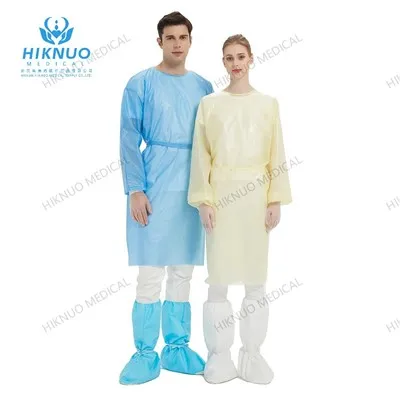

Disposable boot covers are disposable slip-on garments that fit snugly over a variety of shoe style and sizes. They prevent potentially hazardous material (including organic and chemical particles) from coming in contact with the bottom of a person's shoes. Disposable boot covers are worn over personal footwear to protect surfaces from contaminants and protect footwear from damage. Prevent contamination, It is widely used in Clean room, Hospital, and Medical industries.
-
![Non-woven PP Anti-slip Printed Shoe Covers Single Use]() Non-woven PP Anti-slip Printed Shoe Covers Single Use
Non-woven PP Anti-slip Printed Shoe Covers Single UseOur disposable non-woven PP anti-slip shoe covers are made from high-quality polypropylene material, featuring a printed anti-skid pattern on the sole to ensure safety and cleanliness. Designed for
-
![Microporous Boot Cover with PVC Sole]() Microporous Boot Cover with PVC Sole
Microporous Boot Cover with PVC SoleMicroporous boot covers combined soft polypropylen non-woven fabric and microporous film, lets moisture vapor escape to keep wearer comfortable.
-
![Disposable SMS Boot Cover]() Disposable SMS Boot Cover
Disposable SMS Boot CoverDisposable SMS Boot Covers is Breathable and splash resistant, generous sized boot cover.


Why Choose Us
Customization Services
We offer tailored solutions to meet specific client requirements, ensuring that every product is designed and manufactured to exact specifications.
Quality Assurance
Our commitment to quality is evident in our rigorous testing and quality control procedures, ensuring that each product meets industry standards and customer expectations.
Extensive Product Range
With a wide variety of plastic products, we cater to multiple industries, providing one-stop shopping for all your plastic needs.
Competitive Pricing
We strive to provide cost-effective pricing without compromising on quality, offering our clients value for their investment.
What is Disposable Boot Covers?
Disposable boot covers are single-use protective garments designed to cover footwear. They are commonly used in healthcare facilities, laboratories, and manufacturing environments to prevent contamination and track dirt or pollutants from one area to another. These covers are typically made from materials such as plastic, latex, or non-woven fabrics that are easily discarded after use, thus reducing the risk of cross-contamination.
.....
What materials are commonly used for disposable boot covers?
Disposable boot covers are typically made from lightweight, flexible materials that provide a barrier against contaminants and are easy to don and doff. The most common materials include:
Non-woven Fabric: Made from synthetic fibers such as polypropylene, this material is breathable, water-resistant, and cost-effective. Non-woven fabrics are widely used because they are strong yet disposable, making them ideal for single-use applications.
Polyethylene: A type of plastic that is often used in clear boot covers due to its transparency and flexibility. Polyethylene provides a good barrier against moisture and contaminants.
Latex: While less common due to allergies, latex boot covers were traditionally used because of their stretchability and durability. They provide a tight fit over footwear.
Vinyl: Vinyl is another plastic material that offers good resistance to chemicals and is durable. It is often used in environments where there might be spills or exposure to liquids.
Tyvek: This is a trademarked material made by DuPont and consists of flashspun high-density polyethylene fibers. Tyvek boot covers are highly durable, puncture-resistant, and provide excellent protection against particles and microbes.
Mylar: Mylar, a brand name for a type of polyester film, can be used in boot covers for its strength and impermeability to air and moisture.
Spunbond and Meltblown Fabrics: These are two types of non-woven fabrics often used in combination (referred to as SMS – Spunbond-Meltblown-Spunbond) to create a more effective barrier. The meltblown layer acts as a filter to trap small particles.
What are the benefits of using disposable boot covers?
Enhanced Hygiene
They help keep sensitive areas free from external contaminants, such as dirt, bacteria, and viruses, which could otherwise be tracked in on footwear.
Convenience
They are quick and easy to use, allowing individuals to quickly change footwear without the need for extensive cleaning procedures.
Compliance
In healthcare and other regulated industries, the use of boot covers can be part of mandatory protocols to meet health and safety standards.
Protection of Flooring
They can help preserve the integrity of specialized flooring, such as that found in surgical rooms or cleanrooms, which can be damaged by outdoor shoes.
Cross-Contamination Prevention
In settings like hospitals, boot covers prevent the transfer of pathogens between patient rooms, helping to reduce the spread of infections.
Cost-Effectiveness
Disposable boot covers are generally low-cost, especially when considering the potential costs associated with cleaning and disinfecting footwear or maintaining a high degree of environmental control.
Versatility
They are suitable for a wide range of footwear types and can be used in various settings, from medical facilities to construction sites.
Time-Saving
By eliminating the need for cleaning and drying footwear, disposable boot covers save time for both individuals and cleaning staff.
Chemical Resistance
Many boot covers are made from materials that resist chemicals, protecting the wearer's shoes and ensuring that no contaminants are introduced into a clean area via chemical spills.
Environmental Control
In industries where environmental control is vital, such as in semiconductor manufacturing, boot covers prevent the introduction of particulate matter that could compromise product quality.
How should disposable boot covers be stored?
Disposable boot covers should be stored in a manner that maintains their cleanliness and ensures they are ready for immediate use when needed. Here are best practices for storing boot covers:
Sealed Containers: Store boot covers in airtight containers or bags to protect them from dust, moisture, and contaminants. This also helps to prevent the boot covers from becoming a source of pollution themselves.
Dry Environment: Ensure that the storage area is dry to prevent the boot covers from becoming damp, which could lead to mold growth or deterioration of the material.
Ambient Temperature: Store boot covers in an area with a stable temperature to prevent degradation of the material due to extreme heat or cold.
Avoid Direct Sunlight: Protect the boot covers from direct sunlight, as UV rays can weaken the material over time.
Organized Shelving: Use shelves or racks to organize and store the boot covers neatly. This allows for easy access and prevents them from getting crushed or torn.
Labeling: Clearly label the containers or bags with information such as size, type of boot cover, and the date of storage. This helps in rotating stock and using older boot covers first.
Separation: If storing different types of boot covers (e.g., standard, chemical-resistant, or antistatic), make sure to separate them to avoid cross-contamination or damage to the material properties.
Accessibility: Store the boot covers in an easily accessible location near the point of use to minimize the risk of contamination during transit and to speed up the donning process.
Quantity Management: Manage the quantity of boot covers in storage to avoid overstocking, which could lead to expired products, and to ensure there is always a sufficient supply available.
Hygiene Protocols: Establish clear protocols for handling boot covers during storage, including regular cleaning of storage areas and hand washing before and after contact with the boot covers.
Do disposable boot covers provide waterproof protection?
Disposable boot covers are commonly used in various industries to protect shoes and feet from dirt, debris, and potentially hazardous substances. One of the key concerns for users is whether these boot covers provide waterproof protection. Below are some points to consider:
Material: Disposable boot covers are typically made from materials like polyethylene or polypropylene. These materials have varying degrees of water resistance.
Water resistance level: While disposable boot covers offer some level of water resistance, they may not provide complete waterproof protection. These covers can handle light spills, splashes, or minor exposure to moisture. However, they are not designed to withstand heavy rain or extended exposure to water.
Elastic closures: Disposable boot covers often have elastic closures at the top, which help to provide a secure fit and prevent water from seeping in. However, these closures are not completely waterproof and may allow some water penetration under certain conditions.
Seams: The construction of disposable boot covers may involve heat sealing or stitching seams. These seams can create potential weak points where water can enter, especially if they are not properly sealed or reinforced.
Intended use: Disposable boot covers are primarily designed for protection against dry particulate matter, such as dust or powders. While they can offer some resistance against water, they may not be suitable for prolonged exposure to wet environments.
Limitations: It is important to note that disposable boot covers may lose their water resistance over time or if they become damaged. Factors such as wear and tear, punctures, or improper usage can undermine their ability to provide waterproof protection.
Additional precautions: If waterproof protection is crucial, it may be necessary to consider alternative options, such as reusable boots or specialized waterproof shoe covers. These alternatives are specifically designed to withstand more demanding water-related conditions.
Are there any safety precautions to take when using disposable boot covers?
When using disposable boot covers, it's important to follow certain safety precautions to ensure both personal safety and to maintain the integrity of the covered footwear. Here are key safety considerations:

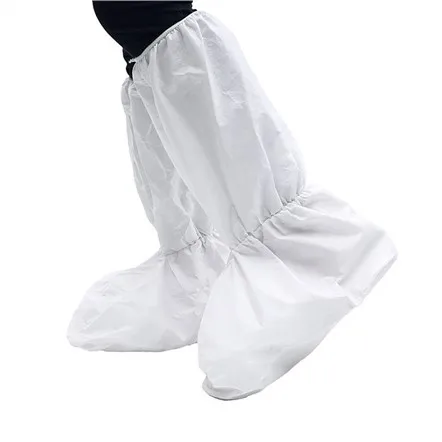
Appropriate Selection: Choose boot covers that are suitable for the specific environment and tasks. For instance, if working with chemicals, select covers that offer chemical resistance.
Proper Fit: Ensure that the boot covers fit well and do not restrict movement or pose a tripping hazard. They should cover the entire shoe and seal around the ankle to prevent contaminants from entering.
Handling Precautions: Handle boot covers carefully to avoid tearing or puncturing them, as this could compromise their protective capabilities.
Waste Disposal: Dispose of used boot covers properly in designated biohazard or waste receptacles, especially in medical or laboratory settings. Do not reuse single-use boot covers.
Hygiene Practices: Wash hands thoroughly before and after donning and removing boot covers to prevent the transfer of contaminants.
Slip Resistance: Be aware that boot covers might affect traction on certain surfaces. Take care when walking, particularly on slippery floors.
Environmental Consideration: Use eco-friendly options when available to minimize environmental impact, and dispose of non-biodegradable covers in accordance with local waste management policies.
Compliance with Regulations: Always adhere to organizational policies and industry regulations regarding the use of personal protective equipment (PPE).
Training: Receive proper training on the use of disposable boot covers and understand the risks associated with not using them in controlled environments.
Inspection and Maintenance: Regularly inspect boot covers for any signs of wear or damage. Store them in a clean, dry place to maintain their quality until needed.
How do I choose the right size of disposable boot covers?
Choosing the correct size of disposable boot covers is essential for ensuring comfort, preventing slips and trips, and maintaining the effectiveness of the barrier against contaminants. Here's how to select the appropriate size:
Measure Your Shoes: Use a measuring tape to determine the length and width of your shoes. Measure from the bottom of the heel to the top of the toe and across the widest part of your foot.
Review Product Sizing Charts: Manufacturers often provide sizing charts that correlate shoe dimensions with recommended boot cover sizes. Compare your measurements with the chart to find the best match.
Consider Shoe Size: If measuring isn't possible, you can usually refer to your shoe size. Most disposable boot covers are labeled with size ranges corresponding to standard shoe sizes (e.g., small, medium, large).
Think About Footwear Type: Bulkier shoes, such as winter boots or work boots, may require larger boot covers to accommodate their size and ensure a snug fit over the entire shoe.
Check for Overlap: Boot covers should overlap slightly at the sides and back to create a good seal and prevent contaminants from entering. Make sure there is enough material to achieve this without being excessively baggy.
Try a Sample if Possible: If available, try on a sample size to ensure the boot covers fit well and are comfortable.
Prioritize Functionality Over Fashion: While boot covers with designs might be tempting, prioritize functionality and fit over appearance to ensure they serve their purpose effectively.
Consult With Colleagues: If you're purchasing boot covers for a team or workplace, ask colleagues about their experiences with different brands and sizes to get recommendations.
Buy with Room for Error: When in doubt, opt for a slightly larger size rather than one that's too small. A loose fit is generally preferable to a tight one that could restrict movement or tear easily.
Environmental Concerns Associated With Disposable Boot Covers
Non-Biodegradable Materials: Many disposable boot covers are made from synthetic materials like polyethylene or polypropylene, which are not biodegradable. These materials can persist in the environment for hundreds of years, contributing to landfill waste.
Resource Consumption: The production of disposable boot covers requires raw materials, energy, and water, leading to resource depletion and increased carbon emissions.
Limited Recycling Options: Recycling options for disposable boot covers are limited because they are often contaminated with dirt, chemicals, or biological materials. This contamination makes them unsuitable for most recycling processes.
Potential for Improvement: While traditional disposable boot covers are not eco-friendly, there has been a move towards more sustainable alternatives. Biodegradable and compostable materials are being developed, although they may not be as widely available or as cost-effective as conventional plastics.
Reduction and Reuse: To mitigate the environmental impact, some strategies include reducing the number of disposable boot covers used, reusing them when possible (although this may not be appropriate in all settings), and seeking out recycling programs that accept contaminated plastic products.
Regulatory and Policy Measures: Governments and organizations can implement policies that encourage the use of more sustainable products and improve waste management practices.
Disposable boot covers typically manufacturing processes
Material Selection: The first step in producing disposable boot covers is selecting the appropriate material. Common materials include low-density polyethylene (LDPE) or linear low-density polyethylene (LLDPE), which are chosen for their durability, flexibility, and cost-effectiveness. In some cases, biodegradable materials like polylactic acid (PLA) or other compostable plastics might be used.
Film Extrusion: The selected material is fed into an extruder, where it is melted and forced through an annular die to create a thin film. The thickness of the film can be controlled to meet the required strength and flexibility specifications.
Cooling and Flattening: After extrusion, the hot film is passed through cooling rolls to solidify it. The rolls flatten the film to the desired width and ensure uniform thickness.
Perforation: The film is then perforated to create individual sheets that can be easily separated. The perforation process must be precise to ensure that the boot covers can be tear apart without tearing.
Printing (Optional): Some manufacturers print instructions, branding, or other information onto the boot covers. This involves passing the film through a printing press that applies ink or uses another printing method to imprint the design onto the surface.
Cutting to Size: The perforated film is cut into the shape and size of individual boot covers. This can be done using rotary cutting dies, laser cutting, or other precision cutting techniques.
Packaging: Once cut, the boot covers are stacked and packaged for distribution. Packaging materials might include cardboard boxes, plastic bags, or other containers designed to protect the product during shipping and storage.
Quality Control: Throughout the manufacturing process, quality control measures are in place to ensure that the boot covers meet the necessary standards for strength, size, and cleanliness. This includes visual inspections, dimensional checks, and sometimes performance tests.
Certifications

Our Factory
We offer only carefully selected products that use superior materials and manufacturing processes to provide protection you can count on.Hiknow medical have a strong network of distribution guarantee global presence in cooperation with our business partners.

FAQ
Q: What are disposable boot covers?
Q: What materials are commonly used for disposable boot covers?
Q: How do disposable boot covers work?
Q: When should I use disposable boot covers?
Q: What are the benefits of using disposable boot covers?
Q: Are there any alternatives to disposable boot covers?
Q: How do I choose the right size of disposable boot covers?
Q: Can disposable boot covers be worn over any type of footwear?
Q: Do disposable boot covers provide waterproof protection?
Q: Are disposable boot covers suitable for outdoor use?
Q: Can disposable boot covers be worn for an extended period?
Q: Are disposable boot covers latex-free?
Q: Can disposable boot covers be used in sterile environments?
Q: Are disposable boot covers breathable?
Q: Do disposable boot covers come with an anti-slip sole?
Q: Can disposable boot covers be customized with branding or logos?
Q: How should disposable boot covers be stored?
Q: Are disposable boot covers environmentally friendly?
Q: Can disposable boot covers be used in conjunction with other personal protective equipment (PPE)?
Q: Are there any safety precautions to take when using disposable boot covers?
We're professional disposable boot covers manufacturers and suppliers in China, specialized in providing high quality products and service. We warmly welcome you to wholesale customized disposable boot covers made in China here from our factory.