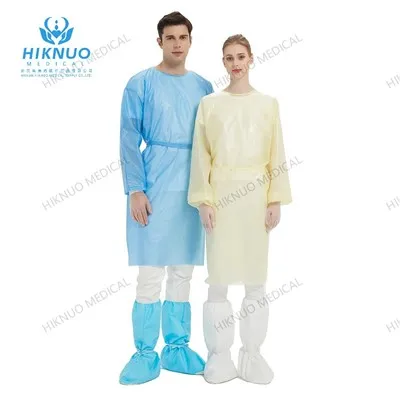

We believe that the success of building long-term relationships with our customers depends not only on providing the right product at the right price, but also on continuously improving reliability. Our vision is to be a global healthcare company that is customer-focused and committed to excellence.
-
![Kids Protective Coverall]() Kids Protective Coverall
Kids Protective CoverallA kids protective coverall is a one-piece clothing garment designed to provide full body protection for children, usually made of durable and resistant materials.
-
![EN14126 Coverall]() EN14126 Coverall
EN14126 CoverallDisposable type 4,5,6 coveralls resistant to pathogens, blood and pesticides.
-
![SMS Coverall]() SMS Coverall
SMS CoverallDisposable SMS clothing and accessories provide three layers of protection against particulates such as dirt and dust, and light liquid splashes or sprays.


Why choose us
Advanced Production Equipment
Our manufacturing factory is equipped with advanced heat sealing machines, sewing machines, cutting machines, cast film production lines, laminating machines, mask machines and other equipment. They have passed international certifications (ISO, CE, FDA, etc.) and are frequently subject to internal and third-party inspections.
High Quality Standards
Our products use high-quality materials and manufacturing processes to provide you with protection you can trust. We have established a strict quality control system in accordance with ISO 13485 and FDA related standards to ensure that all our products meet and exceed high quality standards.
Variety of Products
Our products include non-woven protective equipment, disposable masks, disposable isolation gowns, disposable hats, disposable shoe covers, disposable boot covers, etc. They are widely used in medical, dental, industrial, laboratory, health and beauty markets.
Professional Service
Our company is committed to building customer partnerships through strong relationships, providing high value, quality products and exceptional service through continuous process improvement. In addition, our products have been sold to more than 40 countries around the world and enjoy a good reputation in domestic and foreign markets.

Disposable coveralls are essential personal protective equipment (PPE) in a variety of industries and are used to protect users from hazardous materials and the environment. They can provide complete body coverage to provide head to toe coverage to users. Unlike reusable coveralls that need proper maintenance, laundering, and repairs, disposable coveralls provide an affordable solution. Since these are convenient to discard after use, there's no need to deal with additional costs associated with upkeep and cleaning.
Benefits of Disposable Coveralls
Protection from Hazards
Disposable coveralls offer full-body protection from a range of hazards, including chemicals, infectious agents, and other contaminants. They are designed to be worn once and then discarded, ensuring that the wearer is always protected from potential hazards. Unlike reusable coveralls, disposable coveralls do not require cleaning, which can help to reduce the risk of exposure to hazardous materials.
Prevent Cross-Contamination
One of the key benefits of disposable coveralls is that they prevent cross-contamination. In industries where workers are exposed to hazardous materials or infectious agents, it is essential to prevent cross-contamination to ensure the safety of all workers. Disposable coveralls are designed to be worn once and then discarded, ensuring that there is no risk of cross-contamination.
Lightweight and Breathable
Disposable coveralls are lightweight and breathable, making them an ideal choice for all-day wear. Unlike traditional PPE, such as heavy-duty overalls or hazmat suits, disposable coveralls are designed to be comfortable to wear, allowing workers to move freely and carry out their tasks without restriction.
Versatility
Disposable coveralls are so versatile.In addition to the medical industry, they can also be used in different applications where workers have exposed to extreme situations every day. General maintenance workers in some industries such as landscaping, steel mills, construction, engineering, and painters can get benefits of these suits in different situations without having a concern about some situations. Handling and paint spraying workers can get benefits of these full-body coverage suits as well.
Protection and Comfort
Disposable coveralls are available in different styles, giving options about the number of protection workers who need specific jobs. For example, clothing components such as boots and hoods to give complete protection, reducing the risk of injury and contamination without lowering the overall quality of disposable coveralls for painting. Many fabrics have been used for this clothing’s material, usually, they are breathable and lightweight. Many workers can get the benefits of reduced risk of heat stress, and allow them to withstand heavy-duty spills. Workers in any industry will always feel comfortable and safe when using disposable coveralls.
Low Cost
Although permanent coveralls can last longer, the cost is higher rather than recycled or disposable protective suits. Since these clothes can be recycled and purchased in a bulk at a lower price, these repackaged and recondition protective suits are more affordable for any industry worker. So, you can buy disposable coveralls at a lower price.
Features of Disposable Coveralls

Convenient
You may be thinking, why wear disposable clothing? Well, it definitely saves time! Cleaning and decontaminating regular coveralls is not only a chore, but it can also be dangerous because you are exposed to harmful substances without protection. Disposable coveralls can be discarded once used. You should dispose of it properly after use as reusing disposable PPE may cause contamination and compromise the protection it provides.
Best Protection
Disposable coveralls provide a high level of contamination protection. They cover your clothing and protect you from potential hazards, which is vital for those in fields such as construction, healthcare and waste management. These products provide complete coverage of the body, including the head, arms and legs. It also has a secure closure system to prevent any gaps or openings that could allow contaminants to enter.


Wear Resistance
Disposable coveralls are made from different materials and offer different advantages. An example of this is polyethylene coveralls, which are waterproof and ideal for wet environments. Polypropylene is suitable for use in dry, non-hazardous areas. Most materials are strong, durable, resistant to tears, punctures and abrasions. They are also resistant to chemicals, liquids and biological contaminants.
Size and Comfort
Disposable coveralls not only provide good protection, but they also give you a variety of size options. However, when choosing you need to ensure that the size does not place any restrictions on you or other users as this may cause damage to the suit and ultimately contamination from any tears within the suit.

Disposable Coveralls Specifications
|
Product Name |
Disposable Protective Coverall |
|
Country of Origin |
China |
|
Cuff style |
Elastic cuffs |
|
Size |
M,L, XL, XXL,XXXL Or Customized |
|
Type |
PPE |
|
Stitching method |
Ultrasonic suture or sewing |
|
Packing specification |
Case size: 47*28*30cm |
|
Material |
MICROPOROUS/pp/PP+PE/SMS |
|
Color |
White |
|
OEM |
Accept OEM |
|
Application |
Safety Protection |
|
Logo |
Customized Logo Accept |
|
Sample |
Sample Offered |
|
Weight |
55g |

Learn How to Wear Protective Coveralls Correctly: 5 Easy Steps
Wearing disposable protective coveralls correctly is very important and necessary. Below are the few steps to wear the coveralls in the correct way.
Step 1: Inspect the suit carefully to ensure there’s no defects or visible damages. If the coverall in damaged, do not wear it, replace it.
Step 2: Remove the unnecessary accessories that may damage the coverall fabric, such as watches and rings.
Step 3: Put on the suit, cover the wrists and ankles comfortably. If the coverall is with a hood, then ensure the hood also fit the head comfortably.
Step 4: In order to ensure the coverall is the correct size, you should practice the movement you’ll be performing in the coverall. Usually it is better to choose one size larger than usual.
Step 5: Watch out the working area to prevent any damages occurring to the garment that could reduce its effectiveness, like sharp edges or hot surfaces.
Regulations and Standards for Disposable Coveralls
Disposable coveralls are subject to various regulations and standards, depending on the specific workplace hazards they are designed to protect against. Some of the common regulations and standards for disposable coveralls include:
Occupational Safety and Health Administration (OSHA)
OSHA is a federal agency that sets and enforces safety and health standards for workers in the United States. OSHA requires employers to provide workers with appropriate protective gear, including disposable coveralls, to minimize the risks and hazards they face on the job.
National Fire Protection Association (NFPA)
NFPA is a global organization that develops and publishes standards and codes for fire protection and life safety. NFPA 2113 and 2112 are two standards that guide the selection, use, and maintenance of flame-resistant clothing, including coveralls.
European Union (EU)
The EU has various regulations and standards for protective clothing, including disposable coveralls, under the Personal Protective Equipment (PPE) Directive. The PPE Directive requires manufacturers to ensure that their products meet specific health and safety requirements and carry the CE marking.

Common Materials for Making Disposable Coveralls
Nonwoven fabric is a fabric in which the fibers are completely unstructured but evenly distributed. Such a fabric will have a denser structure and provide better protection. Therefore, most fabrics used for protective clothing and work clothes are made of non-woven materials. The fibers are spunbonded together to varying degrees to form a dense fabric.
PP is a polymer that can be shaped into fibers that can be used in clothing and hygiene products. Polypropylene used in clothing is made from a non-woven material that does not absorb moisture but instead wicks it away from the body. Therefore, PP protective clothing is generally not dense enough to be tested and approved as Category 3 protective clothing. Disposable garments made of PP are for dust and/or product protection only. This type of fabric comes in many different qualities/weights.
The full name of this material is spunbond-meltblown-spunbond polypropylene. The fabric consists of 3 layers with a 0.1mm fiber structure in the middle, which has been melt-blown into a relatively dense structure. This forms a fabric barrier and is protected by a layer of spunbond PP on each side. Garments made from SMS are suitable for protection against certain particles and, due to their "leaky" construction, are relatively comfortable and have good breathability. Since the outer layer of the protective suit is PP (non-slip/water-resistant), liquids may penetrate and particles may accumulate. SMMS (full spunbond-meltblown-meltblown-spunbond), the fabric consists of 4 layers. Similar to SMS but with additional meltblown core.
This is 2 layers of fabric. The protective layer is a 6-20 micron (0.006-0.020 mm) microporous polyethylene film. The film is fixed to a non-woven fiber base. Protective clothing made of this material provides adequate protection. The suit has a smooth upper side that prevents the accumulation and penetration of particles and liquids. Because of the membrane, the suit doesn't feel breathable. However, films may vary and therefore do not provide uniform protection. The thickness of the protective film, combined with the fact that it is placed on the outside of the fabric, makes it susceptible to physical impact. If the film becomes scratched or worn, it no longer protects. Fabric weight is approximately 60 g/m² and may vary depending on manufacturer.
Tyvek is a brand of flashspun high-density polyethylene fibers. Tyvek coveralls are lightweight, breathable, and provide excellent protection against particles, dust, and biological hazards. They are commonly used in construction, manufacturing, and healthcare settings.
Types of Disposable Coveralls

Prevent Liquid or Gas
Type 1 refers to completely enclosed protective suits designed to protect against chemical contamination in the form of liquid or gas.

Prevent Dusts, Liquids & Vapors
Non-gas tight suits which retain positive pressure to prevent ingress of dusts, liquids & vapors are referred to as Type 2.

Liquid Tight
Type 3 coveralls have sealed seams rather than stitched. They must be made from a fabric that is liquid tight and can withstand strong directional jets of a liquid chemical during the test. Only a tiny fraction of liquid is allowed to enter the garment before it is deemed a ‘fail’. This is based on the breakthrough time of a strong jet of liquid at high pressure. The coverall can then be given a class, which relates to this breakthrough time: Class 1 is at the lower end of the scale with breakthrough taking just 10 minutes, whereas Class 6 resists ingress for over 6 hours.

Spray Tight
Spray tight protective clothing is generally a coverall that protects against saturation of liquid chemicals. Both the fabric and the seams are rigorously tested where volume of the liquid builds up on the suit, causing pools and rivulets. Testing to meet Type 4 classification is similar to the above chemical test, but a lighter spray at a lower pressure – like a shower.

Protects Against Airborne Particles
These garments are full-body protective items covering the trunk, arms and legs, such as one-piece coveralls or two-piece suits, which can be with or without hoods, visors and foot covers. These are tested to rate their resistance to dust and particles. They are suitable for processes such as light industrial cleaning, site preparation and handling insulation. Type 5 rated coveralls are also suitable for asbestos work, provided they are disposable rather than reusable.

Light Spray Protection
This type covers suits that are for protection against light spray and splashes. It differs from the type 3 and 4 spray tests in that there is less volume of liquid sprayed, and no build-up of liquid on the suit. It is the lowest level of chemical protection and is intended to be used if risks have been assessed as low and a full liquid permeation barrier is not necessary.
Disposable Coveralls: The Ideal Protective Gear for Various Industries
When it comes to workplace safety, wearing protective clothing is a must. From construction sites to medical facilities, protective gear is essential to prevent accidents, injuries, and the spread of infectious diseases. One type of protective clothing that has gained popularity in recent years is disposable coveralls. Disposable coveralls are a type of protective gear that is designed for one-time use. They are made from lightweight and breathable materials such as polypropylene that are resistant to fluids, dust, and other contaminants. Disposable coveralls are available in different sizes, colors, and styles and can be used in a variety of industries.
Construction Industry
The construction industry is one of the most hazardous industries in the world. It involves working with heavy machinery, sharp tools, and hazardous materials, which can cause accidents and injuries if proper safety measures are not taken. Disposable coveralls are an ideal choice for construction workers who are exposed to hazardous materials such as asbestos, lead, and other chemicals. They offer full body protection and prevent the inhalation of hazardous materials as well as skin contact.
Healthcare-related Industry
The Healthcare-related industry is another sector where disposable coveralls are essential. Healthcare-related workers are exposed to infectious diseases on a daily basis, and disposable coveralls provide protection against the spread of infections. They are also used by healthcare-related professionals during surgeries and other procedures to prevent contamination.
Food Industry
The food industry is another sector that requires protective clothing. Disposable coveralls are widely used in food processing plants to prevent the contamination of food products by providing a barrier between workers and the food. They are also used to protect workers from chemicals, oils, and other hazards that are commonly found in food processing plants.
Automotive Industry
The automotive industry involves working with heavy machinery, chemicals, and other hazards that can cause accidents and injuries. Disposable coveralls are an essential safety gear in this sector, as they protect workers from chemicals, oils, and other hazards that are commonly found in automotive workshops.
Cleaning Industry
The cleaning industry is another sector where disposable coveralls are used. Cleaning professionals use them to protect themselves from cleaning chemicals and other hazards that are present in the environment. Disposable coveralls are also used in the janitorial sector to prevent the spread of infection in hospitals and other facilities.
Some General Precautions for Using Protective Coveralls
Using protective coveralls can be immensely useful and beneficial, provided you follow the correct guidelines. To take full advantage of these coveralls, you need to ensure you use them correctly and don't mishandle them. Ignoring these guidelines may result in harmful situations for the workers. Let us have a look at some of the crucial guidelines.
Look for Possible Damage in the Coveralls
Every time you take off your coverall after completing a day at the office, you need to be sure it is not damaged. Even the slightest of damages can cause a severe injury if you deal with chemicals, hot water, or other dangerous materials.
Ensure Your Coverall is Clean
Your coverall and other protective equipment must be clean and tidy every time you go to put it on. A cleaner coverall is a safer coverall. A dirty coverall could catch dangerous chemicals and other elements that are harmful to your health. If you put on your coverall without cleaning it, the poisonous and toxic chemicals that you worked with previously may still be there that were spilled on it yesterday. It is, therefore, imperative to clean your coverall every day before using it.
Using Disposable Coveralls If Possible
If possible, using disposable coveralls is the best option. It minimizes the chances of contamination and exposure of your skin to harmful chemicals. You don't need to clean it, keep it, or look for damage before using it again. You only need to be careful while disposing of the coverall after use. You must ensure you dispose of your coverall safely and properly.
Regularly Wash Your Cotton Coveralls
If you are using cotton coveralls or any alike fabric, you need to wash and clean it regularly. You need to be habitual of wearing washed and cleaned coveralls to stay protected from the harmful remains of the chemicals and other materials you are dealing with.
Don't Take Your Coverall Home for Washing
You must leave both your office work and your coverall in the office. Your coverall is contaminated, and you must not bring it home to wash it with your household clothes. The proper way to wash your coverall is in the office, or taking it to a specialist laundromat. This way, not only do you protect yourself and your family but other people as well.
Use a Clean, Separate Cupboard for Coveralls
Keeping your coverall or other protective equipment in a cleaner cupboard is always the best thing to do. Ideally, it must be separate to avoid mixing with your other clothes and items. This will help keep your coverall cleaner as well as other things in your cupboard safe from it.
Store Clean and Dirty Coveralls Separately
You may have more than one coverall. Maybe you store your coveralls in a locker at your office. If that is the case, ensure that you keep your clean and dirty coveralls separate. By doing this, you can avoid contamination. When mixed, the clean and dirty coveralls can spread the dirty and used coveralls' harmful elements. Keeping your clean and dirty coveralls separate will minimize the chances of contamination.
Use the Personal Washing Facility Effectively
There must be a personal washing facility in your office. You need to ensure you make effective and proper use of this facility. It can minimize the chances of contaminating yourself or other belongings you might use while wearing or carrying your dirty coveralls.
Choosing the Right Disposable Coveralls for Your Needs
Whether you're a healthcare worker, industrial worker, or just someone who needs a protective garment for a specific task, choosing the right coveralls is crucial. When it comes to selecting disposable coveralls for your needs, there are several factors to consider.
Material: The material of the coveralls is perhaps the most important factor to consider. Most disposable coveralls are made of either Tyvek, SMS, or microporous material. Tyvek is a lightweight, breathable material that offers protection against particles, fibers, and light liquid splashes. SMS (spunbond/meltblown/spunbond) is a non-woven fabric that provides a barrier against fluids and particulate matter. Microporous material is a breathable, lightweight fabric that offers protection against particles and light liquid splashes.
Design: Disposable coveralls come in various designs, including hooded, booties, and elastic cuffs. The design you choose will depend on the level of protection you need. For example, if you're working in an environment with hazardous materials, you may want to choose coveralls with a hood and booties to provide full-body protection.
Sizing: It's important to choose coveralls that fit well to ensure maximum protection. Most disposable coveralls come in different sizes, ranging from small to extra-large. When selecting coveralls, make sure to consider the size of the individual who will be wearing them. A loose-fitting coverall can increase the risk of exposure to hazardous materials.
Certification: When purchasing disposable coveralls, it's important to choose products that meet industry standards. Look for coveralls that are certified by organizations such as the Occupational Safety and Health Administration (OSHA) or the National Institute for Occupational Safety and Health (NIOSH). Certification ensures that the coveralls meet specific safety and performance standards
Our Certificate
Our company has obtained the following certificates:

Our Factory
The following are our factory:

Frequently Asked Questions
Q: Which disposable protective coveralls provide protection against corona virus?
Q: For which areas of application are the disposable protective coveralls suitable?
Q: How do I find the right disposable chemical protection?
Q: What is an SMS coverall and how is it different to spunbond fabric?
Q: How do disposable coveralls provide protection?
Q: Can I reuse disposable coveralls?
Q: Are disposable coveralls bad for the environment?
Q: Can you wash disposable coveralls?
Q: What is the purpose of the disposable coverall?
Q: What do coveralls protect you from?
Q: What are the hazards of dirty coveralls?
Q: Why are disposable coveralls important?
Q: When to wear disposable coveralls?
Q: What are the main differences between isolation gown and coverall?
Q: Why are protective coverall suits important?
Q: What should I consider when choosing a coverall suit?
Q: What are the benefits of disposable coveralls?
Q: What are the coverall standards?
Q: What is European PPE Ratings?
We're professional disposable coverall manufacturers and suppliers in China, specialized in providing high quality products and service. We warmly welcome you to wholesale customized disposable coverall made in China here from our factory.