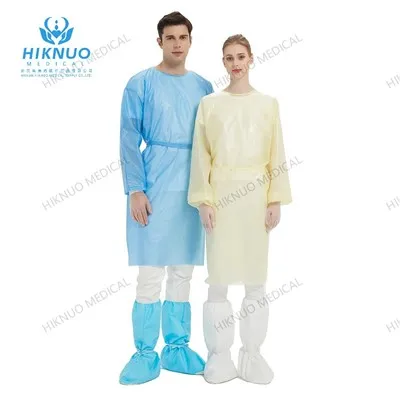

Our History
One of the world's leading and trusted suppliers of high-quality infection, disposable and preventive products for the medical, dental, industrial, laboratory, health and beauty markets.
Our Products
Non-wowen protective products, disposable face masks, disposable isolation gowns, disposable hats, disposable shoe covers and disposable boot covers.
Production Market
Serve more than 40 countries around the world and enjoy a good reputation in domestic and foreign markets.
Our Services
Committed to building customer partnerships through strong relationships and providing high-value, high-quality products and outstanding services through continuous process improvement. We strive to provide our distributors with the most trusted brands and private label products and exceptional value.
What Is Disposable Container?
Disposable food containers, as the name suggests, are single-use containers for packaging and storing food items. They are typically made from materials like plastic, foam, paper, or biodegradable substances. In this article, we discuss about plastic disposable food containers. These containers are widely used in different places, including restaurants, takeout services, catering events, and even for personal use. Their popularity has surged due to the numerous benefits they offer in terms of convenience, hygiene, and cost savings.
-
![8x8 Inch Hinged Lid Food Container]() 8x8 Inch Hinged Lid Food Container
8x8 Inch Hinged Lid Food ContainerMineral Filled Polypropylene (MFPP) Hinged Lid Containers, crafted with 50% less plastic than standard polypropylene (PP) options, reducing fossil fuel consumption. These robust, stackable,...
-
![PP Hinged Food Container]() PP Hinged Food Container
PP Hinged Food ContainerMFPP one-piece lunch box is an environmentally friendly disposable lunch box made of Modified Fiber Polypropylene (MFPP) as the main material. Unlike traditional plastic lunch boxes, MFPP...
-
![PET Cups With Lids]() PET Cups With Lids
PET Cups With LidsThe disposable PET plastic cups are the perfect solution for serving drinks at various events and occasions. These cups are made of high quality food grade PET material which is strong, durable...
-
![One useBiodegradable Takeaway Disposable Plastic Meal Box Food Container With Lids]() One useBiodegradable Takeaway Disposable Plastic Meal Box...
One useBiodegradable Takeaway Disposable Plastic Meal Box...The bento box has been thoughtfully designed to meet your food packaging requirements, its rectangular shape offers enough space to contain a variety of foods, whether it's delicious meals and...
-
![PLA Biodegradable Plastic Cup Lids]() PLA Biodegradable Plastic Cup Lids
PLA Biodegradable Plastic Cup Lids**100% Compostable** Certified by internationally recognized commercial composting organizations such as BPI, it does not produce microplastic pollution.
**Arched Design** The slightly... -
![Black PP Plastic Coffee Cup Lids]() Black PP Plastic Coffee Cup Lids
Black PP Plastic Coffee Cup Lids**High Temperature Resistance** Made of pure PP material, designed specifically for hot beverages. Even when filled with freshly brewed espresso or boiling water, the lid will not soften, deform,...
-
![PET Plastic Disposable Beer Cups]() PET Plastic Disposable Beer Cups
PET Plastic Disposable Beer Cups**Food-Grade Healthy Material:** Strictly tested by the FDA and LFGB international food contact materials standards, it is free of BPA and plasticizers. The cup has no plastic odor, ensuring a...
-
![Disposable Clear PET Cups]() Disposable Clear PET Cups
Disposable Clear PET Cups● 100% eco-friendly & biodegradable PLA material, decomposes naturally, low-carbon and pollution-free, in line with global green packaging trends
● Crystal clear appearance, clearly shows... -
![Eco Friendly Disposable PLA Clear Cups]() Eco Friendly Disposable PLA Clear Cups
Eco Friendly Disposable PLA Clear Cups● 100% eco-friendly & biodegradable PLA material, decomposes naturally, low-carbon and pollution-free, in line with global green packaging trends
● Crystal clear appearance, clearly shows... -
![Disposable Sauce Cups With Lid]() Disposable Sauce Cups With Lid
Disposable Sauce Cups With Lid● Equipped with tight-sealing lids, effectively preventing sauce leakage and keeping it fresh and clean
● Fully disposable design, convenient to use and discard, saving cleaning labor... -
![U-shaped Custom Printed Disposable Cups]() U-shaped Custom Printed Disposable Cups
U-shaped Custom Printed Disposable Cups● Wholesale supply with competitive price, suitable for large-scale commercial procurement
● Unique U-shaped appearance, stylish and practical, easy to hold and display
● Custom... -
![U-shaped Plastic Cups]() U-shaped Plastic Cups
U-shaped Plastic Cups● Wholesale supply, competitive price, suitable for large-scale commercial procurement
● Unique U-shaped design, stylish and practical, easy to hold and display
● Food-safe material,...


The Economic Costs of One-Time Use Containers
Production Costs
One of the first economic costs of one-time use containers is the production cost. Companies have to invest in the materials, labor, and machinery required to produce these containers. This cost is then passed on to the consumer in the form of higher prices. In addition, the production of these containers often involves the use of non-renewable resources like oil and gas, which have their own economic and environmental costs.
Transportation Costs
Another economic cost of one-time use containers is transportation. These containers have to be transported to the stores where they are sold, which requires fuel and labor. The more containers that are produced and sold, the more transportation is required, which leads to higher costs.
Disposal Costs
Perhaps the biggest economic cost of one-time use containers is disposal. Once they are used, these containers end up in landfills, where they take up space and release harmful chemicals into the environment. The cost of disposing of these containers is borne by taxpayers, who have to pay for the landfills and the environmental cleanup required to deal with the pollution they cause.
Health Costs
In addition to the economic costs, one-time use containers also have health costs. Many of these containers are made from materials that can leach harmful chemicals into food and drinks. Over time, this can lead to health problems that require medical treatment, which adds to the overall cost of using these containers.
Alternatives
Fortunately, there are alternatives to one-time use containers that can help reduce these economic costs. Reusable containers, for example, can be used over and over again, reducing the need for production, transportation, and disposal. In addition, many reusable containers are made from materials that are safer for the environment and for human health.

Diverse Types Of Disposable Containers
Disposable containers are not just functional; they are an integral part of the food presentation and customer experience. They come in a myriad of styles, sizes, and shapes, each designed to cater to specific needs. Whether it's for securing leftovers in airtight conditions, packaging individual purchases in visually appealing boxes, or efficiently catering to large events with sturdy, spacious trays, the right container is pivotal. Their diversity extends to accommodate various food types. From liquids and soups in leak-proof cups to solid foods in stackable boxes, the right type ensures that every culinary requirement is met with precision and care.
Parfait Cups
Ideal for yogurt, salads, or sundaes, parfait cups come in different sizes with optional cup inserts for toppings. Made primarily from clear plastic, they are perfect for creating visually appealing presentations.
Deli Containers
Deli containers are versatile and suitable for both cold and hot foods, such as salads, soups, or casseroles. They come in various shapes and capacities, with features like BPA-free, compostable, and tamper-evident options.
Souffle Cups
These are perfect for serving condiments, sauces, or samples. Made from materials like PLA plastic, plant fiber, or wax-lined paper, they come in various sizes and shapes. They come with lids available for easy stacking and storage.
Catering Trays
For events or grocery stores, catering trays are invaluable. They are available in different materials like cardboard and foil, with various lid types to protect and seal the food.
Takeout Boxes for Specialized Cuisine
Certain cuisines require specialized takeout containers, like Chinese takeout boxes or pizza boxes. These are designed not just for convenience but also to maintain the integrity and temperature of the food.
The Importance of Disposable Container Moving Towards a More Sustainable Future
Environmental impact: The use of disposable containers has a significant impact on the environment. The production of these containers requires the use of natural resources such as oil, gas, and water. The disposal of these containers leads to the accumulation of waste in landfills and oceans, causing pollution and harm to wildlife. By moving towards a more sustainable future, we can reduce our carbon footprint and protect the planet for future generations.
Health impact: Disposable containers are often made of plastic, which can release harmful chemicals when heated or exposed to sunlight. These chemicals can be harmful to human health and can lead to various health issues such as cancer, reproductive problems, and developmental delays. By using sustainable alternatives, we can reduce our exposure to these harmful chemicals and protect our health.
Economic impact: The use of disposable containers also has economic costs. The production and disposal of these containers require significant resources and energy, leading to higher costs. By using sustainable alternatives, we can reduce these costs and create a more efficient and sustainable economy.
Sustainable alternatives: There are several sustainable alternatives to disposable containers. These include reusable containers, biodegradable containers, and compostable containers. Reusable containers are a great option as they can be used multiple times, reducing waste and costs. Biodegradable containers are made from natural materials and can break down over time, reducing the impact on the environment. Compostable containers are designed to break down quickly and can be used to create nutrient-rich soil.
Best option: The best option for sustainable containers depends on the specific use case. For example, reusable containers are a great option for everyday use, while compostable containers may be a better option for events or large gatherings. It is important to consider the environmental impact, health impact, and economic impact when choosing a sustainable alternative.
Benefits of Disposable Container
One of the most significant advantages of disposable food containers is the convenience they provide. These containers decrease the need for washing and cleaning after use, reducing preparation time and effort. Their lightweight and compact design makes them easy to carry and store. Thus, they are an ideal choice for individuals on the go.
Disposable food containers play a key role in maintaining hygiene standards. With traditional reusable containers, there is a risk of cross-contamination, even with thorough cleaning. However, disposable containers are used once and then discarded, minimizing the chances of bacterial transfer. This minimization of risk extends beyond individual use to businesses in the food service industry. Whether you are running a restaurant, a food delivery service, or organizing a catering event, the assurance of safe, untainted meals is an important element that disposable food containers provide. It earns the trust of both businesses and consumers.
These containers come in a variety of sizes, shapes, and colors, catering to different food types and portion sizes. This versatility makes them suitable for a wide range of applications, from packing salads and sandwiches to storing hot soups and desserts. Restaurants and catering businesses can choose containers that best suit their menu offerings.
Most of the disposable food containers are microwavable. Microwavable means that not only are they suitable for cold food storage, but they can also be used to reheat meals quickly. Reheating meals directly in the container decreases the need for additional dishes or cookware. This feature enhances their usability and makes them an even more convenient option for consumers.
From a business perspective, disposable food containers offer many cost-saving advantages. Disposable food containers often come with a lower manufacturing cost compared to metal or glass. Besides, their single-use nature decreases the need for repeated washing, saving both water and energy resources. Some disposable food containers are designed with portion control. This can help businesses manage ingredient costs by ensuring that each serving is consistent in size. Therefore, they are an economical and practical choice.
Clear plastic disposable food containers offer the advantage of visibility. Customers can easily see the contents of the container, easier to identify the food type and its condition. This transparency is helpful in situations where multiple containers are stored, as it reduces the need to open each container for inspection.
What Can You Do to Reduce Your Use of Disposable Containers?
Bring your own reusable containers
One of the simplest ways to reduce your use of disposable containers is to bring your own reusable containers. Whether it's a coffee mug, water bottle, or lunch box, carrying your own containers can significantly reduce the amount of waste you generate. You can also bring your own reusable bags when shopping for groceries or carrying items.
Choose products with less packaging
Another way to reduce your use of disposable containers is to choose products with less packaging. For example, instead of buying individual packets of snacks, buy a larger bag and divide it into smaller portions. You can also choose products with recyclable packaging or packaging made from sustainable materials.
Say no to single-use items
When you go out to eat or get takeout, say no to single-use items like plastic utensils, straws, and condiment packets. Bring your own utensils and ask for your drink without a straw. These small actions can make a big difference in reducing waste.
Compost food waste
When you have food waste, instead of throwing it in the trash, compost it. Composting is a great way to reduce waste and create nutrient-rich soil for your garden. You can compost fruit and vegetable scraps, coffee grounds, and eggshells.
Educate others
Spread the word about the importance of reducing the use of disposable containers. Educate your friends and family about the impact of single-use items on the environment and encourage them to make changes in their own habits.
Over the years, increased acceptance of single-use containers across the globe has resulted in a meteoric rise in demand for disposable food containers, and the trend is likely to continue during the forecast period.
Disposable Container are packaging solutions made from polypropylene, polystyrene, paper, aluminum, polyethylene, etc. These containers are gaining wider acceptance worldwide because of their extensive applicability in varied industries and households.
These lightweight and cost-effective containers offer benefits such as better sanitation, convenience, and minimum food spoilage. As a result, these disposable packaging solutions are widely used in restaurants, hotels, institutions, offices, hospitals, and households.
Growing demand for takeout, fast food, and ready-made food due to changing lifestyles and increasing disposable income is likely to catalyze growth in the global disposable food containers market.
Demand is especially soaring for paper-based food containers due to their eco-friendly nature. They are preferred over other containers as paper packaging does not damage the environment and can be 100% recycled.

One of the main benefits to using deli containers is that they are reusable. This means that you can use them again and again, saving you money and reducing waste. They can also be washed and sanitized easily, which makes them very hygienic. Additionally, they come in a variety of sizes and shapes, allowing you to store food exactly how you want it.
Deli Containers are used primarily for storing and transporting food in the restaurant industry and for packing leftover food items for home consumption. They are also commonly used for take-out orders, catering, and other food-related applications.
On the other hand, disposable containers can be a great option if you are looking for something more affordable. Disposable containers are typically less expensive than deli containers, and they are often easier to find. Additionally, you never have to worry about cleaning up after your event because disposable containers can simply be thrown away.
While both deli containers and disposable containers have their benefits, there are also disadvantages to consider. For example, disposable containers aren’t as durable as deli containers, meaning that they may not be able to withstand heavy items like liquids and sauces. Also, deli containers can be bulkier and more difficult to store than disposable containers.
Certifications
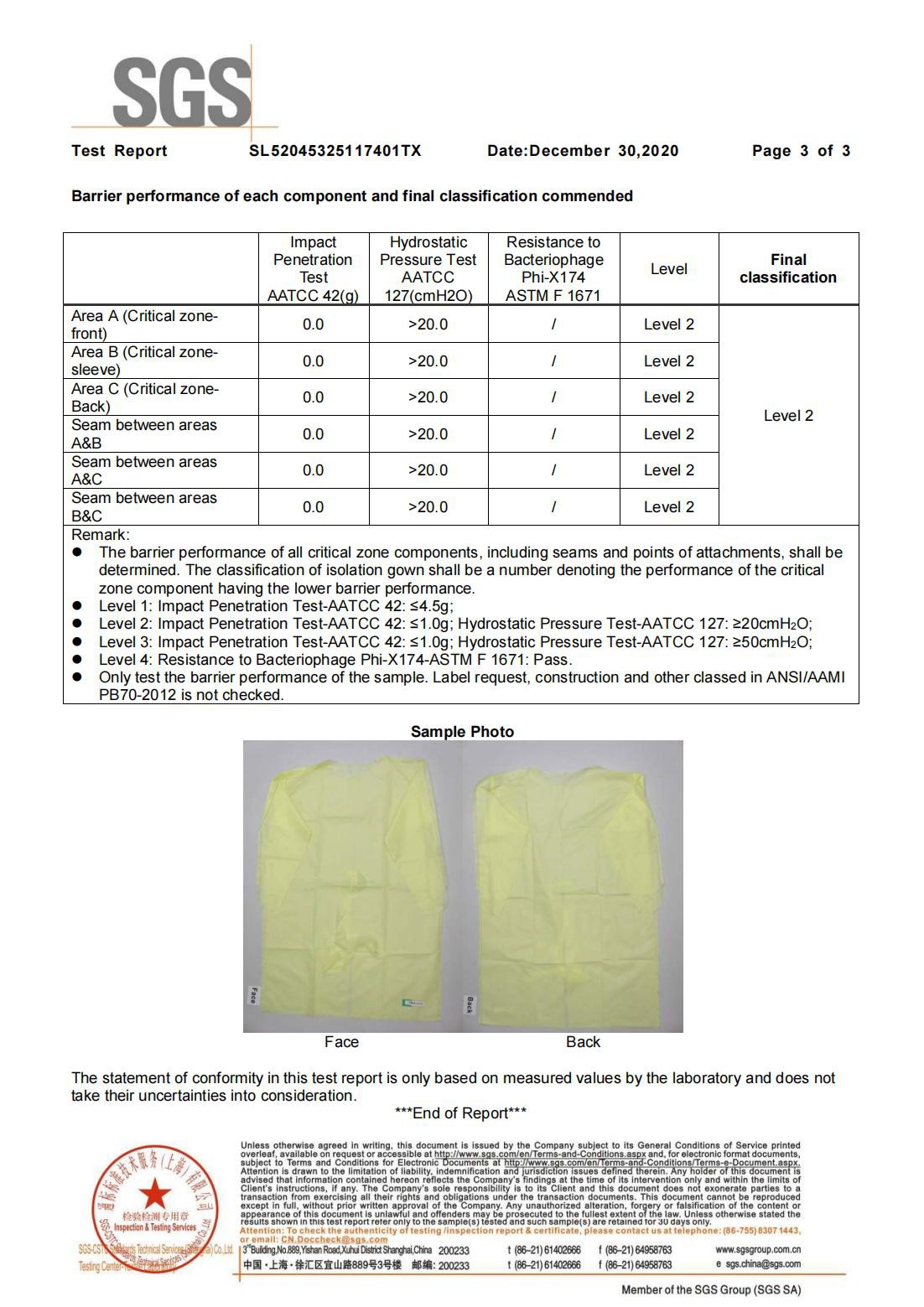


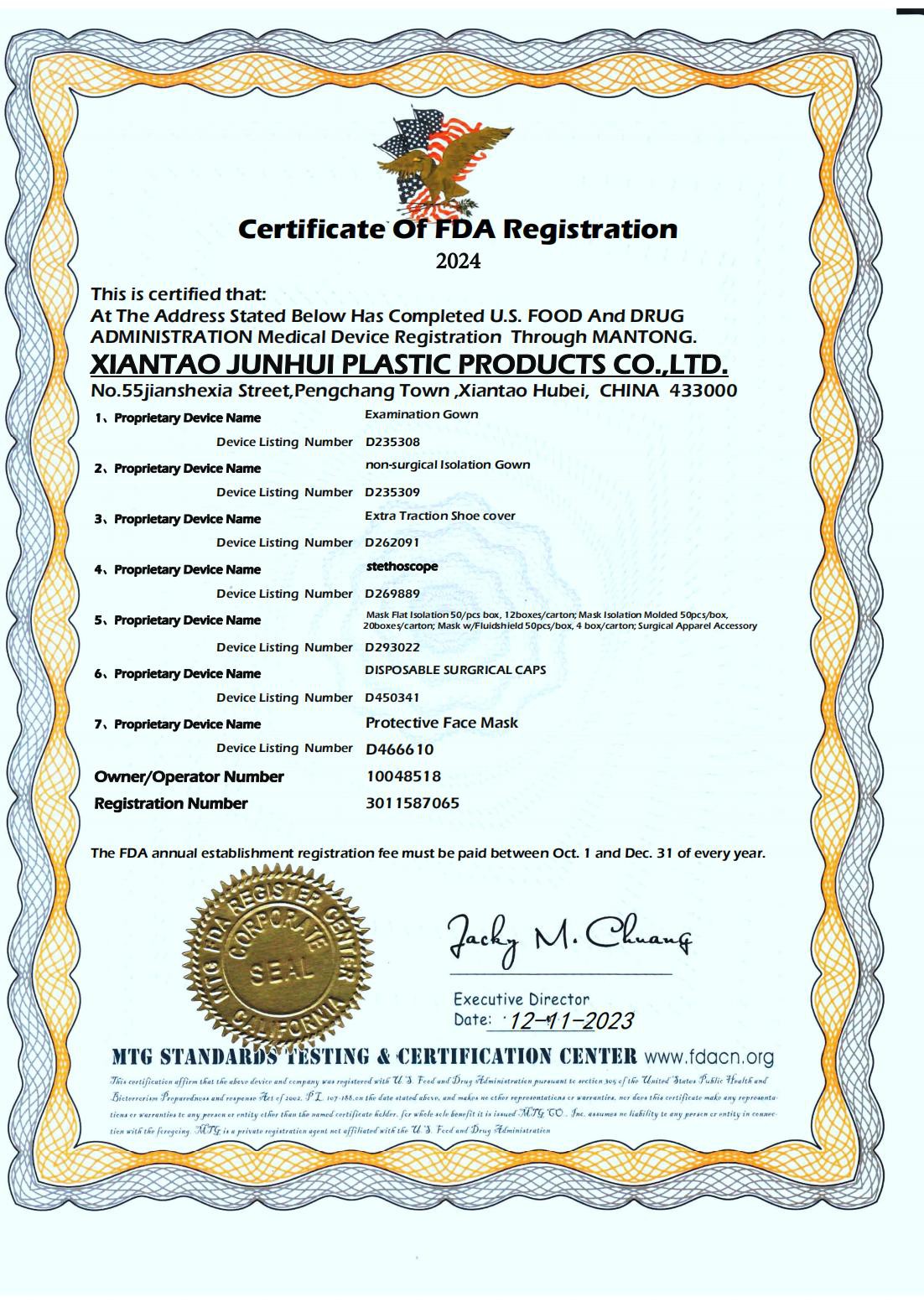


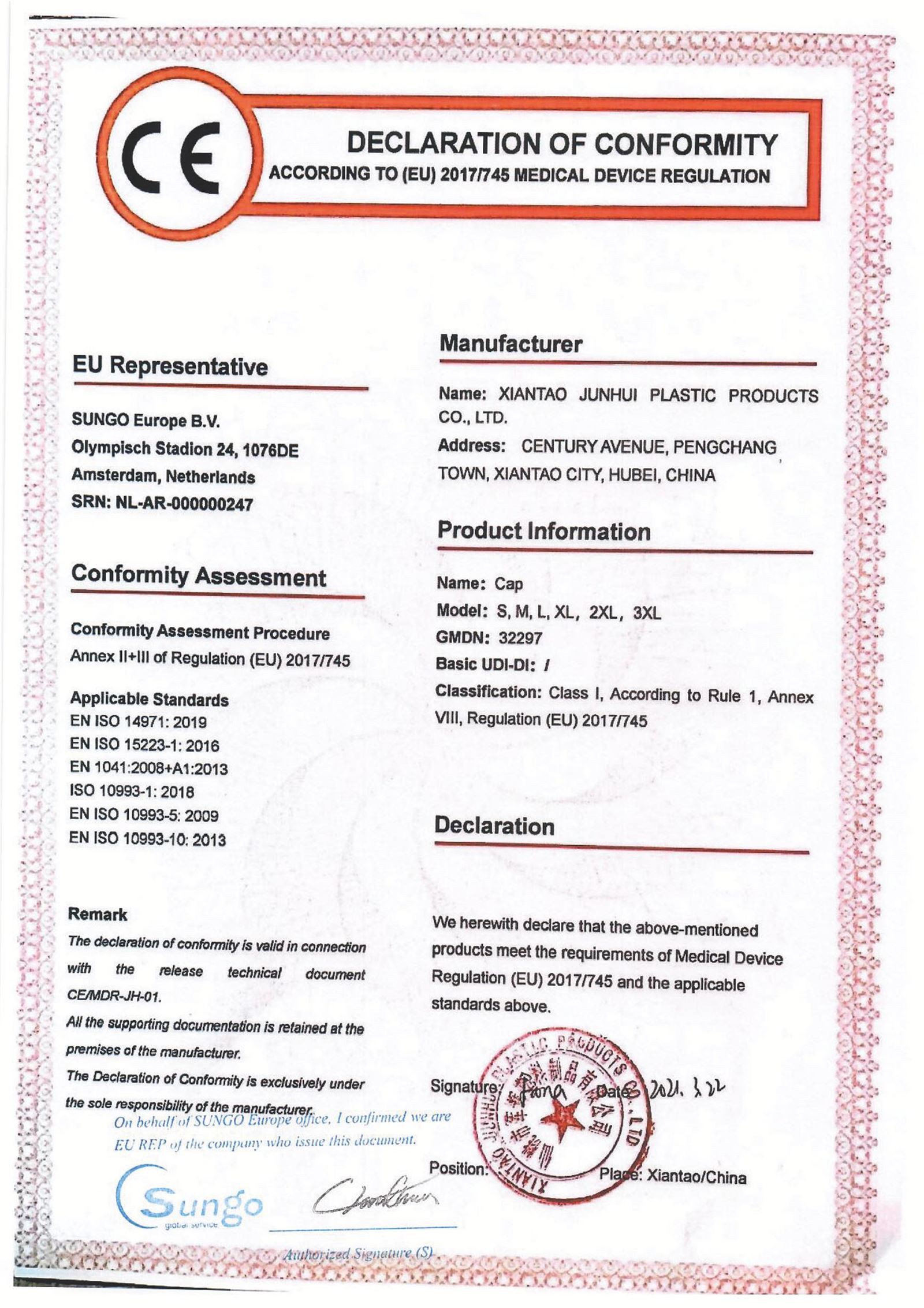


We focus on providing comprehensive and high-quality packaging solutions for various customers. Our products cover multiple fields such as healthcare, food, beverages, cosmetics, electronic products, etc., meeting the diverse needs of different customers. At the same time, our factory has 12 years of experience in export production business. The factory covers an area of over 3000 square meters, with standardized factory buildings and more than 100 advanced machinery and equipment. We have the production capacity for sheet metal production, product design, mold manufacturing, and product production, ensuring the development, delivery time, and delivery quality of new products. Our company has passed ISO13485 quality management system certification, and all materials used have been certified by ISO13485, FDA, and the European Union.
FAQ
We're professional disposable container manufacturers and suppliers in China, specialized in providing high quality products and service. We warmly welcome you to wholesale customized disposable container made in China here from our factory.
SMS Coverall, SMS Short Sleeve Hospital Patient Gown